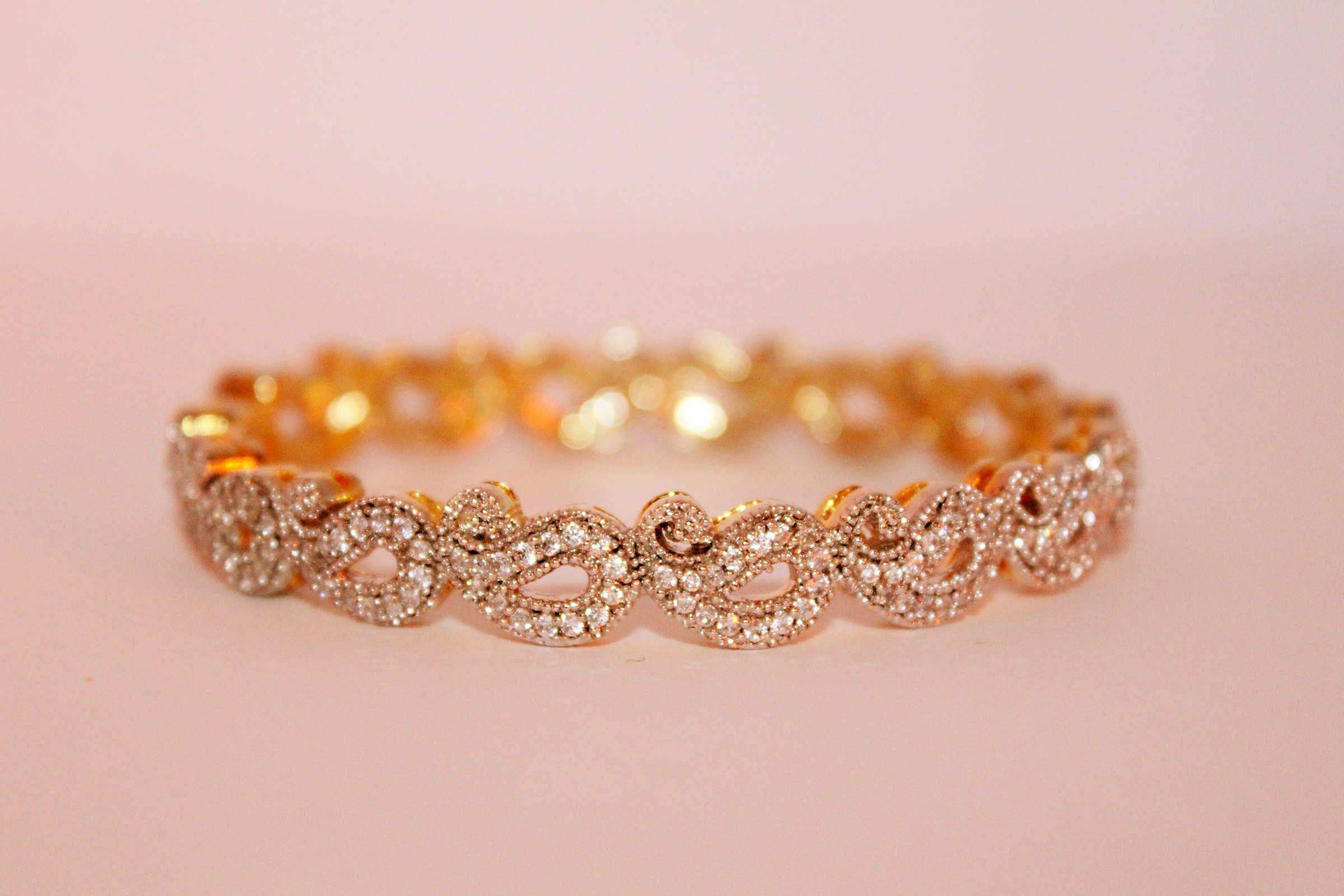
You bought a diamond for $5,000. Maybe it was an engagement ring, maybe an anniversary gift, maybe an impulse purchase at a duty-free shop. Now you want to sell it, and you're wondering: what's it worth?
The short answer: probably 25-50% of what you paid. The long answer depends on four things — and it's not the four Cs you're thinking of.
The four factors that determine resale value
1. Certification. A diamond with a GIA or IGI certificate sells for 15-25% more than an uncertified stone. That's because the buyer can verify the 4 Cs independently. Without certification, every buyer assumes the worst and discounts accordingly.
2. Where you sell. Pawn shops pay 10-25% of retail. Independent jewelers pay 25-45%. Private sale (WP Diamonds, IDoNowIDont) pays 50-70%. The same diamond can fetch three different prices depending on who you sell to.
3. Market conditions. Diamond prices fluctuate with supply, demand, and the lab-grown disruption. Natural diamond prices have stabilized in 2026 after declining 2023-2025, but they're still below 2021 peaks. Lab-grown diamonds have compressed the mid-range market significantly.
4. The stone itself. A 1-carat round brilliant D-flawless with excellent cut commands a premium. A 0.5-carat SI2 with visible inclusions doesn't. The 4 Cs matter, but not equally — cut grade has the biggest impact on price, followed by color, clarity, and carat weight.
What buyers actually pay
Here's a realistic breakdown of what different buyers offer for a typical 1-carat round diamond (G color, VS2 clarity, excellent cut, GIA certified) that retails for about $6,000:
| Buyer type | Offer range | Timeline |
|---|---|---|
| Private sale | $3,000 - $4,200 | 1-3 weeks |
| Independent jeweler | $1,500 - $2,700 | Same day |
| Online buyer | $1,800 - $3,000 | 3-7 days |
| Pawn shop | $600 - $1,500 | Same day |
How to get the best price
Get certified. If your diamond doesn't have a GIA or IGI report, get one before selling. The $50-100 cost of certification can add 15-25% to your offer.
Get multiple offers. Visit at least 3-4 buyers. Write down each offer. Most jewelers will match or beat a competitor's written offer.
Time it right. Diamond prices are higher during engagement season (November-February). If you can wait, you'll get a better price.
Know your floor. Use a calculator like ours to estimate the value range before you walk into any buyer. Knowledge is leverage.
The bottom line
Diamonds are not investments — they're consumer goods. Like a car, they lose value the moment you buy them. But unlike a car, a well-cut diamond holds its beauty indefinitely. The resale value is real, just lower than retail.
Your best strategy: get certified, get multiple offers, and sell to the buyer who offers the most while being transparent about their process. Skip the pawn shops unless you need cash in 30 minutes.